

At the top of the VPN market sit a handful of providers that consistently charge more than the industry average — sometimes two or three times more than a budget competitor offering similar-sounding features on paper. The question worth answering isn’t “is this expensive?” but “does the extra spend translate into anything you’ll actually notice day-to-day?”
We compared premium-tier VPN pricing against what that money actually buys — infrastructure, audits, support quality, and performance consistency — to help you decide whether the premium is justified for your specific needs.
Premium Pricing at a Glance
| Provider | Annual (true monthly) | What’s Included |
|---|---|---|
| ExpressVPN | ~$6.67 | Lightway protocol, TrustedServer RAM-only infrastructure, 24/7 chat support |
| NordVPN (Plus/Ultra tiers) | ~$6-13 | Threat Protection Pro, dedicated IP option, password manager, antivirus |
| Proton VPN (Plus tier) | ~$5.99 | Independently audited no-logs policy, Secure Core routing, Swiss jurisdiction |
| Mullvad | Flat ~€5 ($5.50) regardless of term | No-account model, anonymous payment options, flat pricing with no renewal hikes |
Approximate figures based on typical current pricing structures; premium tiers frequently include add-ons that vary by region, so confirm details directly with each provider.
What Premium Pricing Is Actually Paying For
Unlike the budget tier, where the main differentiator is often just server count, premium providers tend to differentiate on infrastructure and verification:
- Independent security audits — regularly published, third-party-verified no-logs and infrastructure audits, rather than self-reported claims.
- RAM-only server infrastructure — servers that never write to disk, meaning data is wiped on every reboot rather than potentially persisting on physical drives.
- Custom protocols — proprietary tunneling protocols (like ExpressVPN’s Lightway) built and maintained specifically for speed and stability rather than relying solely on open-source defaults.
- Dedicated support infrastructure — genuine 24/7 live chat staffed by trained agents, rather than ticket queues with multi-day response times.
Mullvad: The Anti-Marketing Premium Option
Mullvad is worth calling out specifically because its pricing model breaks the industry mold entirely — a single flat rate regardless of subscription length, with no long-term discount structure and no renewal price hikes. It also allows fully anonymous account creation and cash payment options, an approach that trades slick marketing and bundled extras for a stripped-down, privacy-first pricing philosophy. For privacy purists, this flat, no-games pricing can itself be worth the premium over cheaper competitors with more convoluted long-term pricing structures.
Does Premium Pricing Mean Faster Speeds?
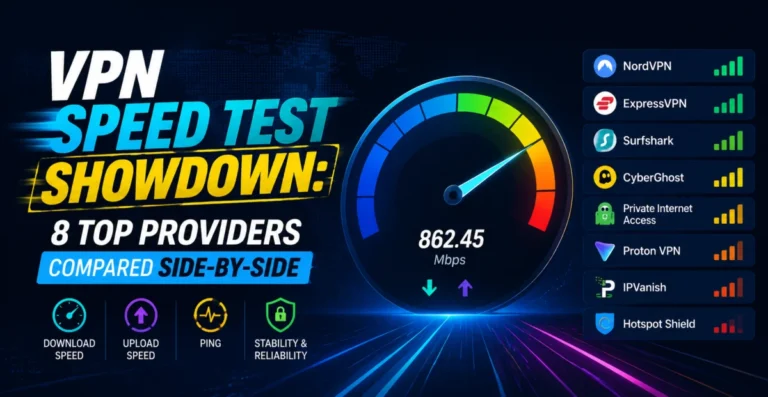
Not automatically, and not consistently. Speed depends heavily on server load, physical distance, and network conditions at the moment of testing — a budget provider’s server in an uncongested location can easily outperform a premium provider’s server during a peak-traffic period. What premium pricing more reliably buys is consistency: engineering resources dedicated to maintaining server capacity and protocol performance across a wide range of conditions, rather than raw peak speed in ideal circumstances.
The Audit Question: Why It Matters More at This Price Point
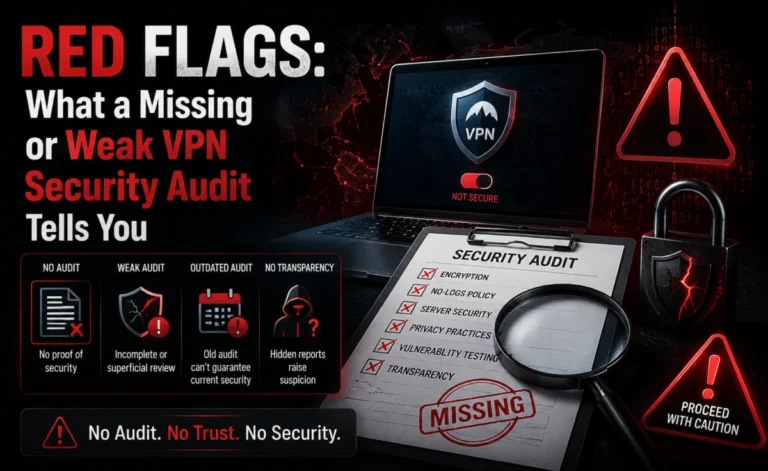
Premium providers are far more likely to commission and publish regular independent audits of their no-logs claims and server infrastructure. This matters because a “no-logs policy” is, by itself, just a written claim — an independent audit is what actually verifies whether the technical infrastructure supports that claim in practice. If verified privacy claims matter to your specific use case (sensitive research, journalism, living under a restrictive government), this is one of the clearest, most concrete things premium pricing buys that budget tiers often can’t match.
Support Quality: A Real But Underrated Differentiator
Premium providers generally maintain larger, better-trained support teams available around the clock via live chat, with faster resolution times for account and technical issues. For users who are comfortable troubleshooting independently, this matters less. For less technical users, or for anyone using a VPN in a time-sensitive situation (mid-trip access issues, work deadline blocked by a connectivity problem), responsive live support can be worth real money.
When Premium Pricing Is Genuinely Worth It
- You need independently verified no-logs and infrastructure claims for sensitive or high-stakes use
- You value fast, reliable live support over troubleshooting issues yourself
- You want a proprietary protocol tuned specifically for speed and stability
- You’re not price-sensitive and simply want the most polished, full-featured experience available
When You’re Likely Overpaying
- Your use case is casual — occasional public Wi-Fi protection or basic streaming unblocking
- You don’t need most of the bundled extras (password manager, antivirus, dedicated IP)
- You’re comfortable self-resolving basic technical issues without live chat support
- You haven’t personally verified whether the premium provider’s audit history is meaningfully more current or thorough than a budget alternative’s
A Middle-Ground Strategy
If premium pricing feels steep but budget tiers make you uneasy about verified privacy claims, look specifically at mid-tier providers with a track record of regular independent audits rather than judging purely by price point. Audit frequency and transparency reporting are a more reliable signal of trustworthiness than price alone — some mid-priced providers publish audits just as rigorously as the most expensive brands.
Individual Premium Pricing vs. Team/Business Plans
Most premium providers also sell a separate business or team tier, priced per-user rather than per-household, and it’s worth not confusing the two when comparing “premium” pricing. Business tiers typically add centralized billing, an admin dashboard for managing multiple users, and sometimes dedicated account support — features that are genuinely valuable for a company managing dozens of employee accounts, but unnecessary overhead for an individual or a single household. If you’ve landed on a business pricing page while comparison-shopping for personal use, you’re very likely looking at a materially higher price than the same provider’s consumer-focused premium plan, so it’s worth double-checking you’re on the right pricing tier before concluding a provider is “too expensive.”
The Cost of Switching Providers Later
One factor that rarely appears in pricing comparisons directly: the practical cost of switching providers if a premium plan doesn’t work out. Beyond the financial cost of an unused remaining term, switching involves re-configuring devices, updating any router-level VPN setup, canceling auto-renewal on the old account, and re-learning a new app’s interface. None of this is expensive in dollar terms, but it is a real time cost that tends to make people stick with a provider longer than the pricing alone would suggest — which is part of why getting the initial choice right matters more than chasing the absolute lowest advertised rate.
This is also an argument in favor of starting any premium provider on its shortest available term, even at a higher effective monthly cost, until you’re confident the switching cost won’t be wasted on a provider that doesn’t ultimately fit your workflow.
Bundled Ecosystems: Are You Paying for the VPN or the Whole Suite?
Several premium providers have expanded well beyond a standalone VPN app into broader security suites — password managers, identity monitoring, antivirus scanning, and cloud backup, all bundled under one subscription. This changes how you should evaluate the price: if you’d be paying separately for most of those tools anyway, the bundled premium price can represent genuinely strong overall value even if the VPN component alone looks expensive in isolation. But if you already use a dedicated password manager or antivirus you’re happy with, you may effectively be paying premium VPN pricing for extra tools that go completely unused, which quietly worsens the real value you’re getting relative to a VPN-only premium competitor.
It’s worth listing out, honestly, which bundled extras you’d actually use before comparing premium providers purely on their all-in sticker price — the “best value” answer changes considerably depending on that list.
Negotiating or Timing Premium Purchases
Premium providers do run periodic promotions, often timed around major shopping periods, that can meaningfully reduce the first-term price without changing the underlying service quality at all. Because premium tiers rarely drop below a certain floor price even during sales, patience can be a genuinely useful pricing lever here — waiting for a seasonal promotion on a premium provider you’ve already decided to trust is a reasonable way to capture savings without compromising on the audit history, infrastructure, or support quality that justified the premium choice in the first place.
Frequently Asked Questions
Is the most expensive VPN always the most secure?
Not necessarily — price correlates loosely with infrastructure investment and audit frequency, but it’s not a guarantee. Checking a provider’s actual audit history is a more reliable signal than price alone.
Do premium VPNs offer better refund terms?
Typically not — most providers across all price tiers converge around a standard 30-day money-back guarantee, regardless of how premium the plan is.
Is Mullvad’s flat pricing actually cheaper long-term than discounted competitors?
It depends on the term length compared. Against a heavily discounted 2-3 year budget plan, Mullvad’s flat rate can be similar or even higher; against a competitor’s post-renewal standard pricing, Mullvad’s flat rate often comes out ahead since it never increases.
Bottom Line
Premium VPN pricing buys real, tangible things — verified audits, RAM-only infrastructure, proprietary protocols, and better support — but whether that’s worth the markup depends entirely on your use case. Casual users can often get by comfortably on a budget or mid-tier plan, while anyone with genuinely high-stakes privacy needs will likely find the premium price justified by the verification and infrastructure it buys.
About the Author